Studios

Studies of Guitar and Gender

Music By. Eduardo Cruz Gaytán

This work is a sustained exercise in epistemic cimarrónaje applied to the musical gesture. It departs from the book Simple and Poetic Creole Studies for Guitar not to master a technique, but to dismantle it: to investigate how rhythm—and the body that executes it—has been a colonial battleground.

In the Creole tradition, sound is an archive of memory. Creole here is evidence of a resistance. It is the point of friction where European academic forms (the score, the "correct" posture) collide with the syncopated, mestizo rhythms that the colonial project could never fully eradicate. In this fissure, the performer's body becomes a territory of negotiation and fugitivity.

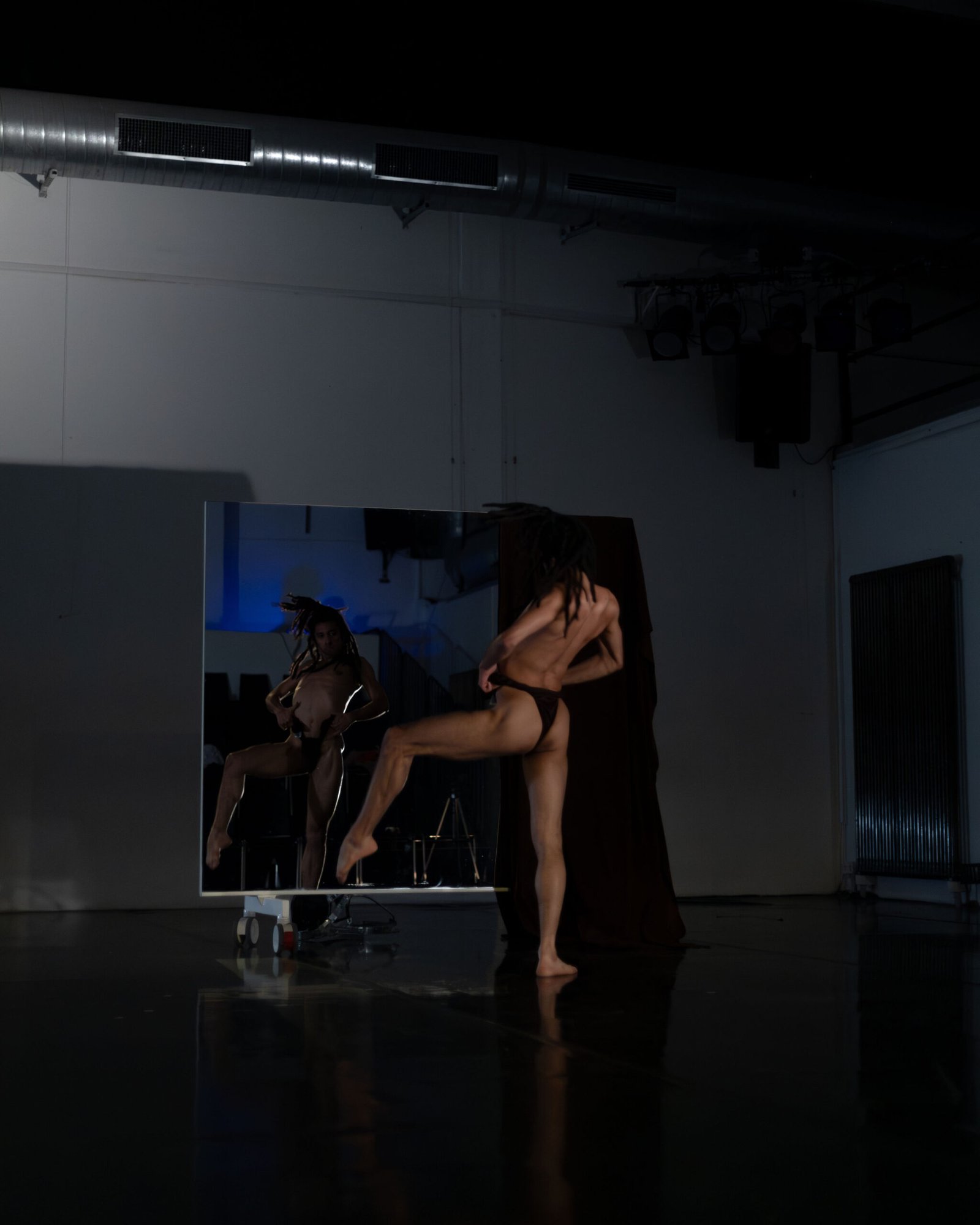
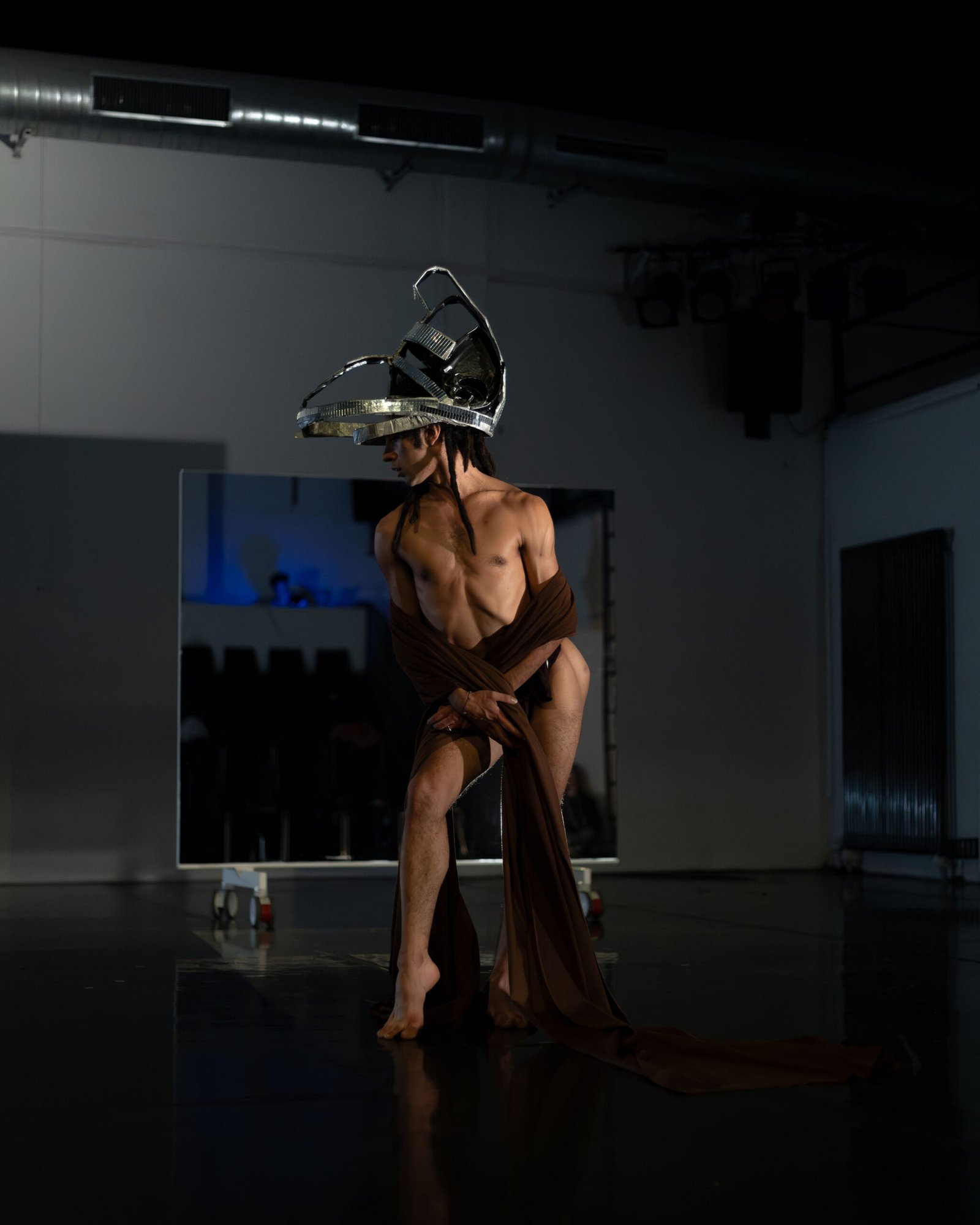
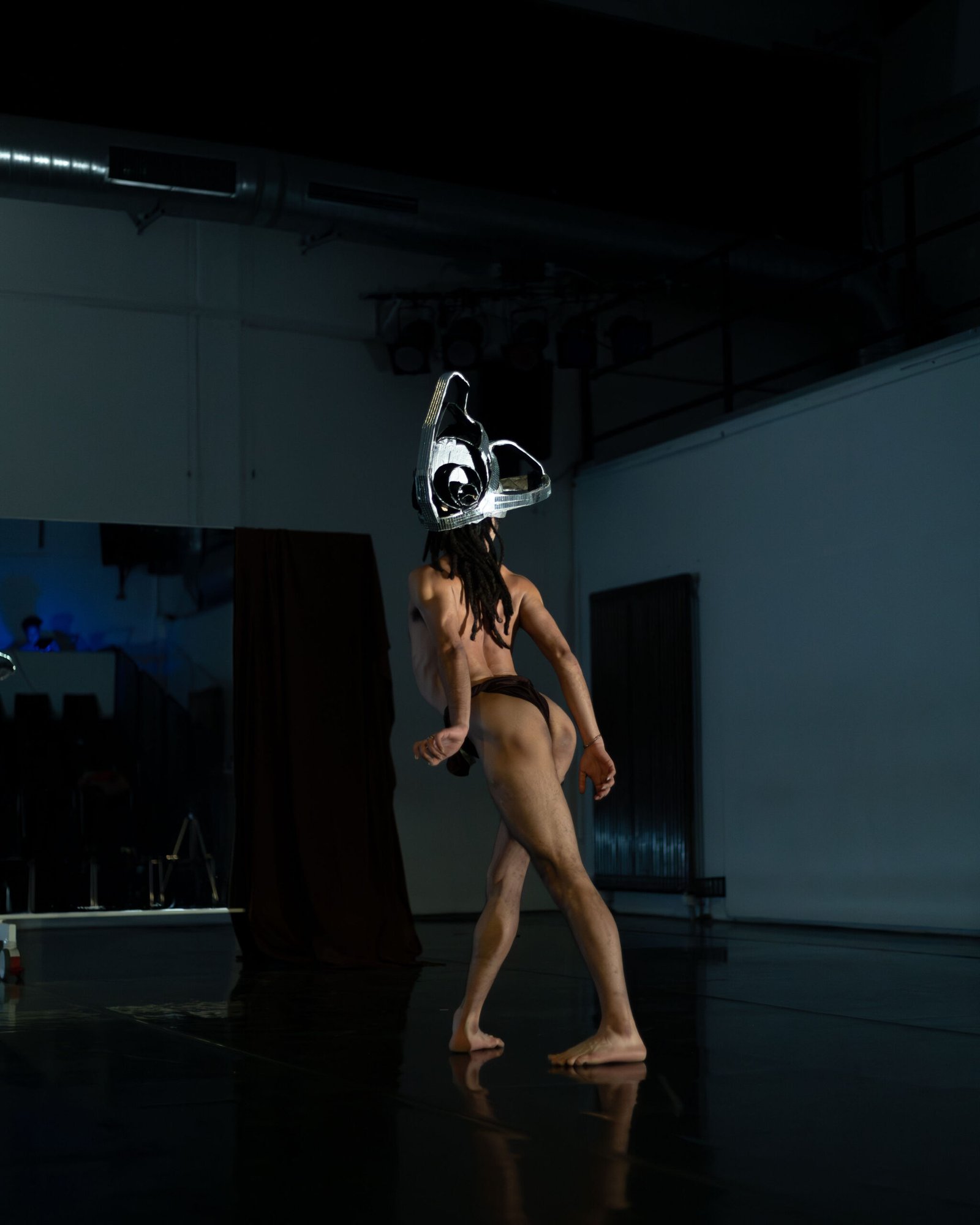
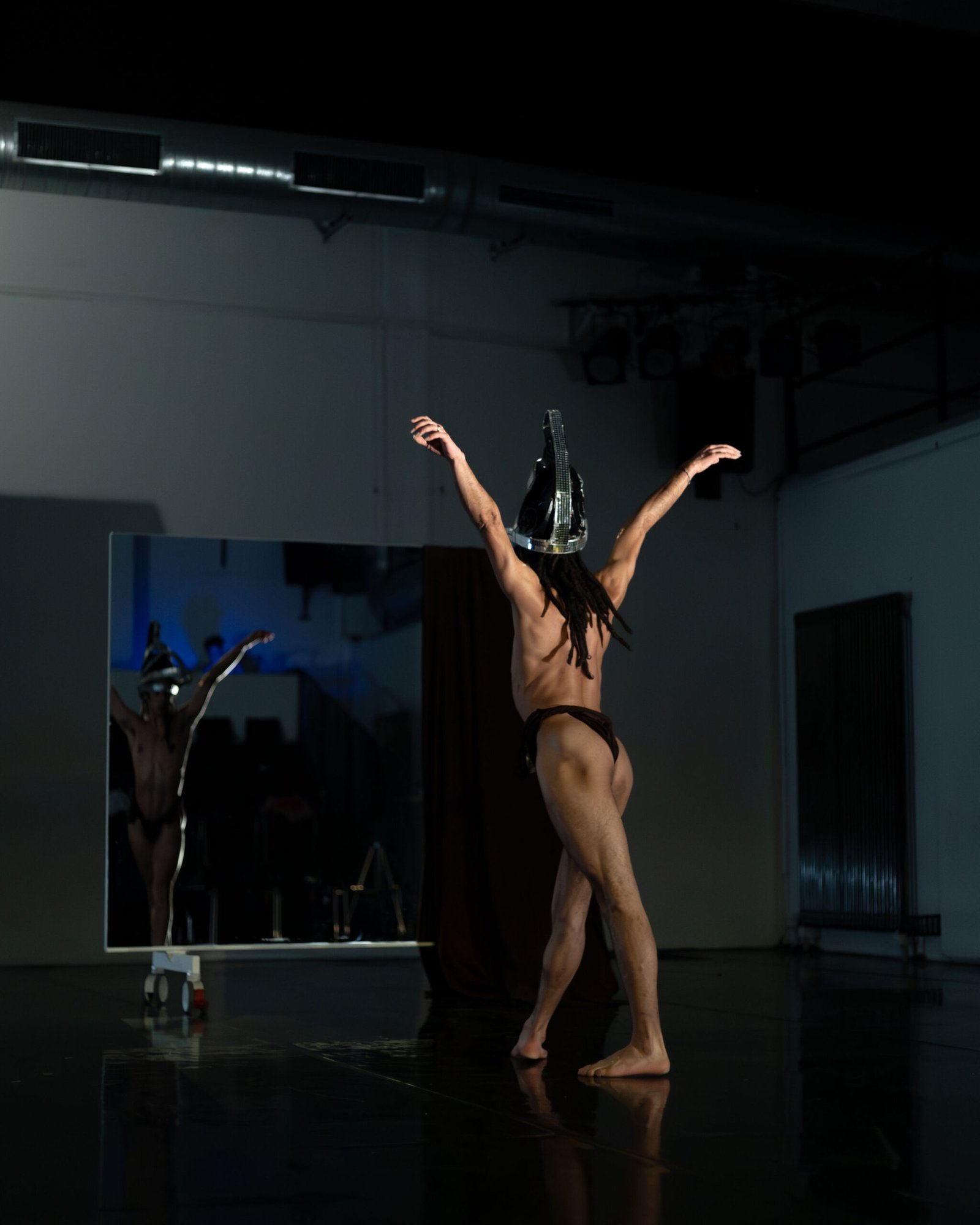
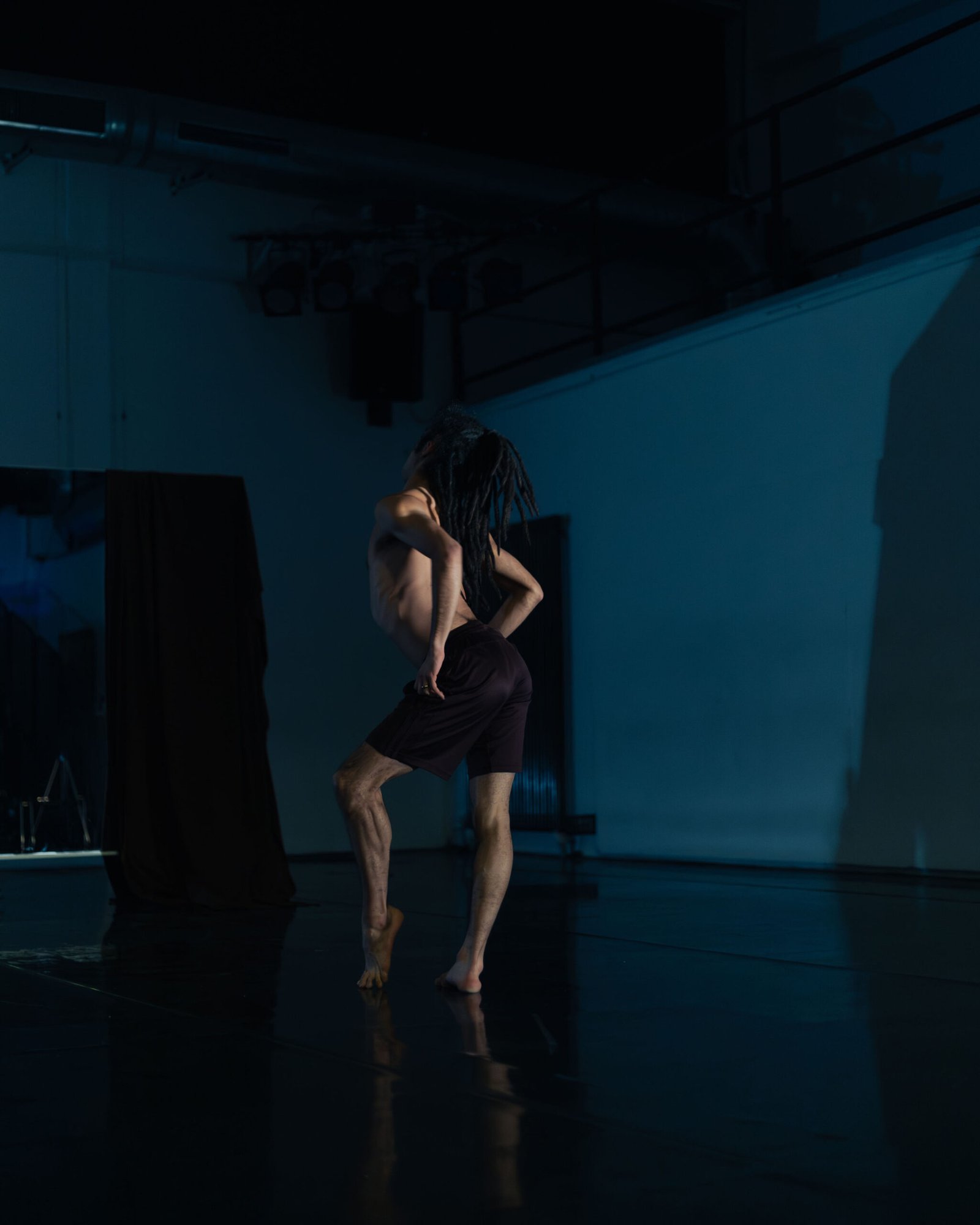
The piece executes a double act of disobedience. Physical: by performing the studies with its back systematically turned to the audience, it rejects the gaze that expects a spectacle of exotic authenticity or virtuosity. Technical: by unlearning the "pure" gesture, it allows the hand to find in the guitar an internal rhythm where the learned, the inherited, and the subversive coexist in a dissident weave.

These studies are maps for a journey of corporeal decolonization. Through repetition, distance, and texture, the body examines its own archive: its mestizo lineage, its cultural weight, its capacity to sound in fugue. It is here that I affirm that to decolonize movement is to decolonize memory, and that the first territory to be liberated is the gesture that inhabits our hands.